
Work lights service focuses on the installation, inspection, maintenance, and optimization of lighting systems designed for task-oriented and high-demand environments. These lights are commonly used on construction equipment, industrial machinery, agricultural vehicles, commercial trucks, warehouses, workshops, and outdoor work sites. Their primary purpose is to provide clear, focused illumination where precision, safety, and productivity are critical.
A professional work lights service ensures that lighting systems are powerful, reliable, and suited to the specific tasks being performed. Proper servicing goes beyond mounting lights and includes planning, electrical safety, durability, and long-term performance in challenging conditions.
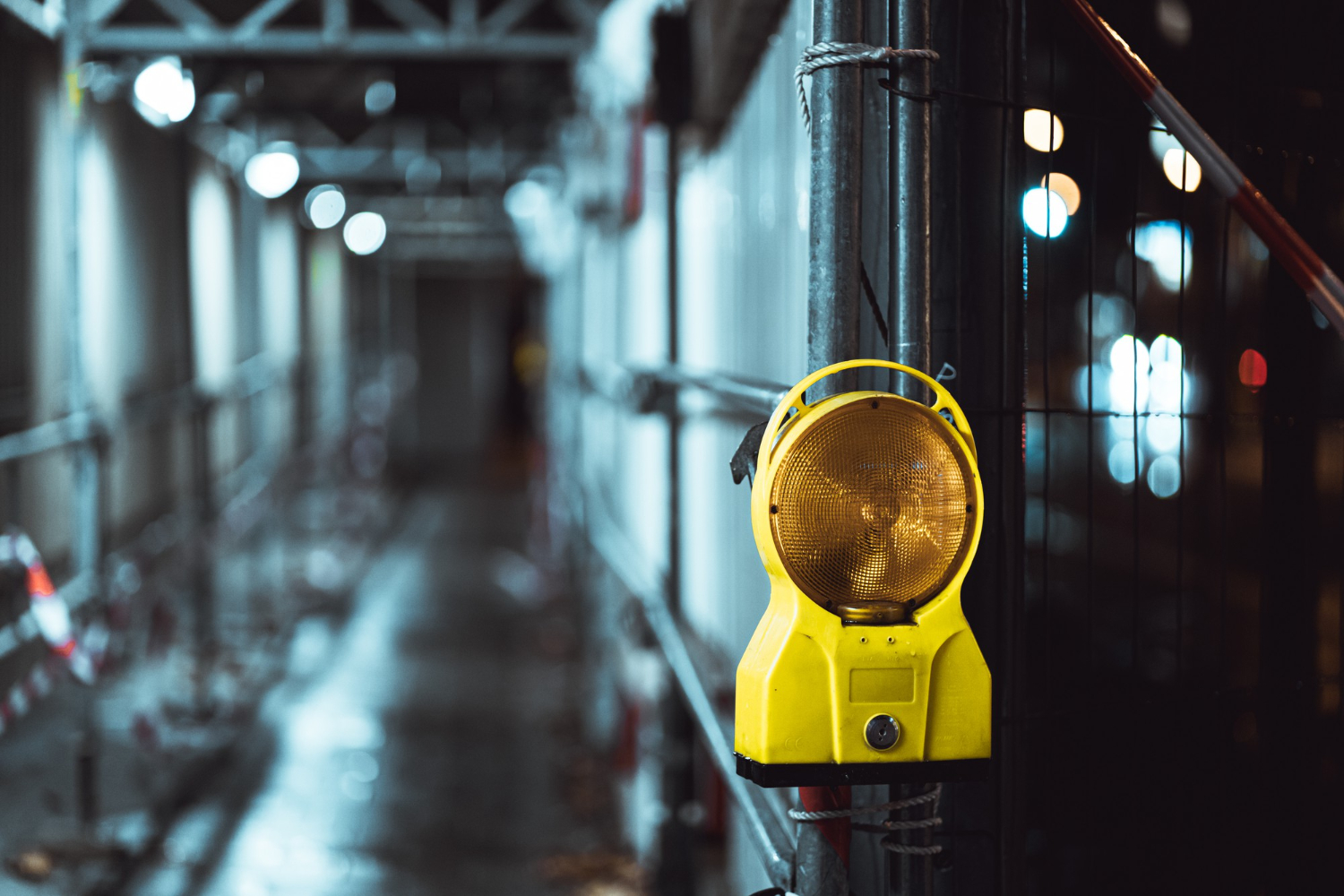
Work lighting directly affects safety and efficiency. Poor lighting can lead to errors, accidents, eye strain, and reduced productivity. In environments where heavy machinery, tools, or hazardous materials are involved, adequate illumination is essential for safe operation.
Work lights service ensures that workers can clearly see equipment, surfaces, and surroundings, even in low-light or nighttime conditions. Well-designed lighting also reduces fatigue and helps maintain consistent performance during long work hours.
Flood lights provide wide-area illumination and are commonly used to light up large work zones. They are ideal for construction sites, warehouses, and outdoor operations where broad visibility is required.
Spot work lights produce a narrow, focused beam for long-distance or precision tasks. These lights are useful for equipment operation, inspections, and tasks that require concentrated visibility.
Portable work lights offer flexibility for temporary or mobile work areas. A professional service ensures they are safely powered, stable, and suitable for frequent movement.
Vehicle-mounted work lights are installed on trucks, tractors, and heavy machinery. These lights support night operations and require secure mounting and proper electrical integration.
Work lights service begins with evaluating the work environment and tasks involved. Factors such as area size, surface type, working hours, and potential hazards are considered to determine optimal lighting placement and intensity.
Correct mounting and positioning are essential to eliminate shadows and glare. Lights must be securely installed to withstand vibration, impact, and environmental exposure while providing consistent illumination.
Work lights often operate in demanding electrical conditions. Professional service includes safe wiring, proper grounding, circuit protection, and compatibility with existing power sources to prevent failures or hazards.
Regular maintenance keeps work lights performing at optimal levels. Dust, moisture, vibration, and continuous operation can degrade lighting systems over time. Work lights service includes cleaning fixtures, checking mounts, testing connections, and verifying light output.
Routine inspections help identify issues such as dimming, flickering, overheating, or damaged wiring before they cause downtime or safety risks.
Work lighting must meet workplace safety requirements to protect workers and equipment. Insufficient or poorly positioned lights can create blind spots and increase accident risks. Professional service ensures compliance with relevant safety standards.
Reliable lighting is essential in time-sensitive or hazardous tasks. Work lights service focuses on consistent performance, reducing unexpected failures that could disrupt operations or compromise safety.
Properly designed and installed work lighting improves visibility, allowing tasks to be completed faster and more accurately. This leads to improved efficiency and reduced rework.
Clear illumination helps workers identify hazards, moving parts, and obstacles. Professional service minimizes glare and shadows, creating a safer work environment.
Correct installation and maintenance reduce stress on lighting components and electrical systems, extending the lifespan of both lights and associated equipment.
Construction and industrial environments demand durable and powerful lighting. Work lights service ensures fixtures withstand harsh conditions while providing consistent coverage.
Agricultural work often continues before sunrise or after sunset. Proper lighting supports equipment operation, animal care, and fieldwork in low-light conditions.
In workshops and garages, task-specific lighting improves precision and comfort. Service solutions focus on reducing eye strain and enhancing detail visibility.
Remote or outdoor work sites require dependable lighting with minimal maintenance. Professional service ensures stability, efficiency, and adaptability to changing environments.
Work lights service resolves problems such as uneven illumination, loose mounts, damaged wiring, overheating fixtures, and power inconsistencies. Addressing these issues promptly prevents work interruptions and safety hazards.
Service providers also assist in reconfiguring lighting layouts to better match evolving work requirements.
A reliable work lights service combines technical expertise with an understanding of real-world working conditions. Skilled technicians assess needs accurately, use appropriate components, and test systems thoroughly.
Attention to detail, safety awareness, and clear communication are key factors in selecting a quality service provider.